Recycling and Sustainability at Wimbledon Carpetcleaning
 At Wimbledon Carpetcleaning, sustainability is built into the way we work every day. As a local carpet cleaning service, we aim to reduce waste, improve reuse, and support a cleaner future for Wimbledon and the wider southwest London area. Our approach to recycling goes beyond separating packaging from rubbish: it includes smarter purchasing, responsible disposal of recovery waste, and practical steps that keep our carbon footprint as low as possible. We have set a recycling percentage target of 90% for all non-hazardous operational waste, and we work steadily toward that goal through better segregation, supplier choices, and ongoing monitoring.
The local character of Wimbledon and neighbouring boroughs shapes how we think about waste. In areas such as Merton, Wandsworth, and Kingston, households and businesses are increasingly expected to separate materials like paper, cardboard, plastics, metals, garden waste, and food waste. We mirror that mindset in our own operations by sorting materials at source and sending suitable items to appropriate facilities instead of mixing them into general waste streams. This helps ensure that more of what we handle is recycled, repurposed, or recovered in a responsible way.
Our commitment to Wimbledon Carpetcleaning sustainability also includes careful engagement with local transfer stations. These facilities play an important role in the borough-wide waste system, allowing cleaner sorting and more efficient onward processing. By using nearby transfer stations wherever possible, we reduce travel distances, minimise unnecessary emissions, and support the local circular economy. Materials such as packaging, protective wraps, and segregated service waste can then be directed toward the most suitable recycling routes, rather than being treated as residual landfill waste.
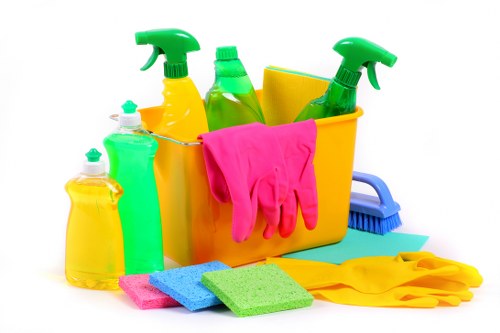 A major part of our recycling activity involves the everyday waste generated by cleaning operations. Cardboard from product deliveries, plastic containers, disposable liners, cloth offcuts, and worn-out accessories are all assessed for reuse or recycling before anything is discarded. Where items can be cleaned, repaired, or repurposed, we do so first. Where they cannot, we send them into the correct recycling stream. This practical approach supports the wider boroughs’ emphasis on waste separation, where clear sorting makes recycling far more effective than mixed-bin disposal.
We also recognise the value of partnerships with charities. In some cases, retired equipment, office supplies, and usable household items can be redirected to charitable organisations rather than sent for disposal. These partnerships with charities help extend the life of useful goods, reduce waste, and support community initiatives that benefit people locally. Whether an item is suitable for donation, reuse, or material recovery, we aim to make sure it has the best possible next step. That mindset is central to our understanding of carpet cleaning recycling and responsible business practice.
 Our environmental work also covers the fleet we use to travel around Wimbledon and surrounding districts. We are steadily introducing low-carbon vans into our operations, prioritising vehicles with improved fuel efficiency and reduced emissions. These vans help us lower the environmental impact of each visit while still maintaining reliable service across the area. For a business that works across residential streets, high-rise developments, and commercial premises, transport emissions matter. Reducing them is one of the clearest ways we can support a more sustainable cleaning service.
In addition to vehicle improvements, we plan routes carefully so that journeys are efficient and unnecessary mileage is avoided. This route planning complements our recycling strategy by cutting fuel use and helping each working day become more resource-efficient. The same logic applies to supplies: we favour products with recyclable packaging, durable tools, and reusable systems wherever possible. By reducing the volume of throwaway materials entering our workflow, we strengthen the overall environmental performance of Wimbledon Carpetcleaning.
We also keep a close eye on the types of waste created during specialist cleaning work. For example, protective plastic, empty containers, and absorbent materials may need different handling depending on their condition and composition. In line with the boroughs’ approach to waste separation, we sort items as accurately as possible and avoid sending recyclable materials into mixed waste. This includes separating cardboard from plastics, keeping clean materials uncontaminated, and ensuring that any residual waste is limited to what cannot reasonably be recovered.
Another part of our sustainability plan is education within the business itself. Every team member is encouraged to understand the importance of recycling targets, local transfer station use, charity donation options, and cleaner transport choices. When everyone follows the same standards, the result is a more consistent and effective environmental policy. This shared responsibility supports our aim to make carpet cleaning in Wimbledon cleaner in every sense: cleaner interiors for customers, and cleaner practices for the community.
 Looking ahead, our recycling percentage target will continue to guide our decisions. We review waste volumes, monitor how much material is diverted from general disposal, and seek ways to improve year by year. That may include expanding reuse opportunities, working with more charities, strengthening our links with local transfer stations, or increasing the share of low-carbon vans in the fleet. For a local company, progress is not only about compliance; it is about contributing to the environmental standards that residents and businesses increasingly expect.
 By combining responsible recycling, community partnerships, and lower-emission transport, Wimbledon Carpetcleaning aims to show that professional service and environmental care can go hand in hand. Our sustainability approach is practical, measurable, and rooted in the local area. From waste separation practices influenced by borough systems to the careful handling of every material we generate, each step supports a more circular and lower-impact way of working. In a busy London district, those choices matter, and we are committed to making them count.