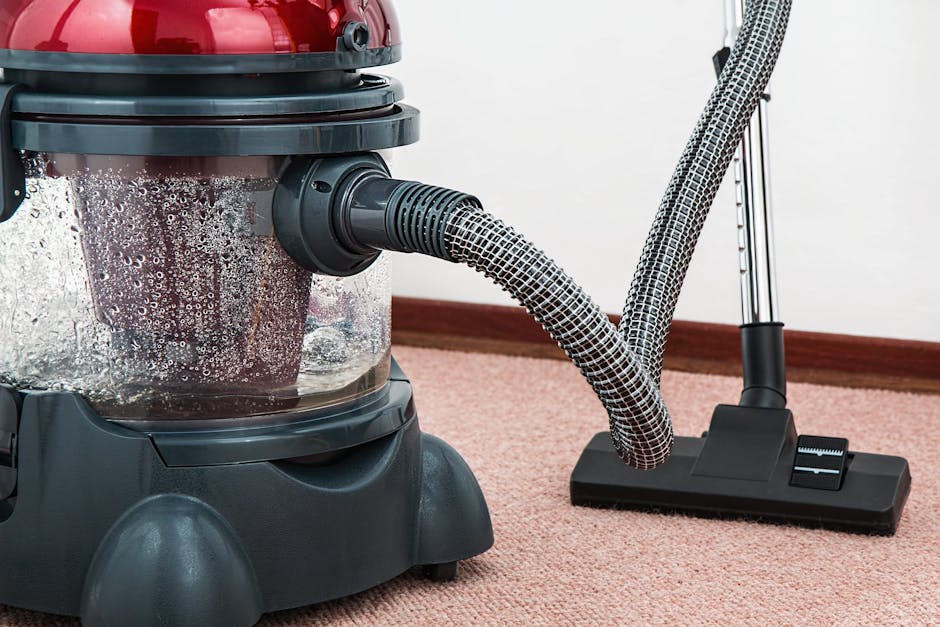
Wimbledon Station flats end of tenancy carpet cleaning
If you are moving out of a flat near Wimbledon Station, carpet cleaning can be one of those jobs that looks simple right up until the last minute. Then the hallway is full of boxes, the bins are overflowing, and you realise the carpet has picked up every footprint, coffee spill, and bit of everyday life from the past year. That is exactly where Wimbledon Station flats end of tenancy carpet cleaning earns its keep. Done properly, it helps your place look cared for, supports a smoother handover, and reduces the chance of avoidable deductions or awkward back-and-forth with the landlord or letting agent.
In this guide, we will break down what end of tenancy carpet cleaning actually involves, why it matters in Wimbledon Station flats, how the process works, and what to check before you hand over the keys. You will also find practical tips, common mistakes, a comparison of cleaning methods, and a checklist you can use the day before checkout. Simple enough, but the devil is in the details.
One quick note: if your move-out clean is part of a wider tenancy clean, it can help to think about the carpet as one piece of the whole picture rather than a standalone task. A well-cleaned carpet looks even better when the rest of the flat is sorted too, which is why many tenants combine it with end of tenancy cleaning or broader deep cleaning support when time is tight.
Table of Contents
- Why Wimbledon Station flats end of tenancy carpet cleaning Matters
- How Wimbledon Station flats end of tenancy carpet cleaning Works
- Key Benefits and Practical Advantages
- Who This Is For and When It Makes Sense
- Step-by-Step Guidance
- Expert Tips for Better Results
- Common Mistakes to Avoid
- Tools, Resources and Recommendations
- Law, Compliance, Standards, or Best Practice
- Options, Methods, or Comparison Table
- Case Study or Real-World Example
- Practical Checklist
- Conclusion
- Frequently Asked Questions
Why Wimbledon Station flats end of tenancy carpet cleaning Matters
Let's face it: carpets take the brunt of daily life. In a flat near Wimbledon Station, that often means muddy shoes after a wet commute, pet hair if the property allows animals, dust brought in from busy foot traffic, and the odd mark from moving furniture around in a compact space. End of tenancy carpet cleaning matters because carpets are one of the first things a landlord or inventory clerk notices when a tenant moves out. If they look tired, stained, or simply not refreshed, the whole flat can feel neglected even if the rest is spotless.
For tenants, the main issue is usually expectation. Most tenancy agreements require the property to be returned in a reasonably clean condition, and many letting agents expect carpets to be professionally cleaned if they were professionally cleaned at move-in or if the tenancy agreement says so. That does not mean every tiny mark becomes a drama. It does mean that carpets should be cleaned to a standard that reflects normal wear, not move-out mess.
For landlords and agents, it is about presenting the flat well for viewings and reducing turnaround time between tenancies. A clean carpet photographs better, smells fresher, and makes the space feel more settled. And in a station-area flat, where many renters are making quick decisions, first impressions matter more than people admit.
Expert summary: End of tenancy carpet cleaning is not about making a carpet look brand new. It is about restoring it to a good, neutral, inspection-ready condition so the next stage of the tenancy can move on without friction.
There is also a practical hygiene angle. Carpets can hold dust, fine grit, allergens, and odours deep in the pile. That is especially noticeable in smaller flats, where air circulation can be limited and everyday smells linger longer than you would like. After a proper clean, the room often feels lighter. You notice it when you walk in. Cleaner air, softer look, no stale edge in the room. Small thing, big difference.
How Wimbledon Station flats end of tenancy carpet cleaning Works
In most cases, carpet cleaning at the end of a tenancy follows a fairly structured process. The exact method depends on the carpet type, its condition, and how much drying time is available before checkout or key handover.
1. Inspection and fibre check
A good cleaner starts by checking the carpet material, visible stains, traffic wear, and any damage. Wool, synthetic blends, and loop-pile carpets all react differently to moisture and cleaning solutions. This matters more than people think. Use the wrong approach and you can flatten fibres, leave residue, or over-wet the backing.
2. Vacuuming and dry soil removal
Loose grit and dust are removed first. That step sounds basic, but it is vital. If dry soil stays in the pile, wet cleaning can turn it into slurry. Nobody wants that. A thorough vacuum also helps the main clean work better and can make a surprising difference on its own in lightly used rooms.
3. Pre-treatment of spots and heavy traffic areas
Stains, entry paths, and furniture marks are treated before the main clean. Think tea, coffee, makeup, shoe marks near the hallway, or that faint grey line around where the sofa sat. Pre-treatment helps loosen grime so the main extraction or shampoo step can do its job properly.
4. Main cleaning method
Depending on the carpet, the cleaner may use hot water extraction, low-moisture cleaning, or a specialist spotting method. In flats, hot water extraction is common because it lifts embedded dirt effectively. The trade-off is drying time, which needs planning, especially if the tenancy ends the same day.
5. Rinse, groom, and dry
After the soil is lifted, the carpet is rinsed or neutralised where needed, then groomed so the fibres stand evenly. Good airflow helps drying. Open windows if weather allows, and avoid walking over damp areas unless necessary. It is one of those jobs where patience pays off.
6. Final inspection
A proper final check looks for missed spots, residue, persistent odours, and any areas that need a second pass. This last step is where professional attention shows. Anyone can spray and hope. Not everyone can finish cleanly.
If your flat also has rugs or upholstered items that need attention before move-out, it can make sense to handle them at the same time. Services like rug cleaning and upholstery cleaning often fit into the same exit plan, especially if you want the whole place to feel consistently fresh rather than patchy.
Key Benefits and Practical Advantages
The obvious benefit is presentation, but that is only part of it. A good carpet clean can improve the move-out experience in a few practical ways.
- Better chance of passing inspection: Clean carpets reduce the risk of comments about dirt or neglect.
- Stronger first impression: If the flat is being re-let or photographed, carpets influence how the whole room feels.
- Odour reduction: Food smells, pet odours, and general stale air often live in the pile more than people realise.
- Improved hygiene: Dust, grit, and allergens are lifted out rather than being left behind.
- Longer carpet life: Regular deep cleaning helps prevent grit from wearing fibres down over time.
- Less moving-day stress: One less job to panic about at 9pm with boxes everywhere. Rare luxury, but a welcome one.
There is also a confidence benefit. If you know the carpet has been cleaned properly, you can hand the property back with less second-guessing. That matters more than it sounds. End of tenancy days are noisy, rushed, and a bit emotional sometimes. Anything that reduces friction is worth its weight in tea bags.
Who This Is For and When It Makes Sense
Wimbledon Station flats end of tenancy carpet cleaning is relevant to a few different groups, not just tenants moving out on the last day.
Tenants
If you are preparing for checkout, professional or thorough DIY carpet cleaning makes sense when the carpets have visible marks, traffic wear, pet smells, or simply need a reset before inspection. It is especially useful if your tenancy agreement mentions professional cleaning or if the carpets were professionally cleaned at the start of the tenancy. Even where that wording is absent, a cleaned carpet can still help you leave on good terms.
Landlords
For landlords, a clean carpet is one of the simplest ways to improve the look of a rental before new tenants move in. If you are changing tenants quickly around Wimbledon Station, you want minimal downtime. A refreshed carpet helps a flat feel presentable faster, which is useful when viewing demand moves quickly.
Letting agents and inventory teams
Agents often need evidence that the property has been left in a reasonable condition. That means checking that carpets are not heavily stained, odorous, or left with obvious debris. A pre-inspection clean can save a lot of messy discussion later. Not always, but often enough to matter.
Flat sharers and short-term occupants
In shared flats, carpet wear can build unevenly. One bedroom may be fine, another may have been the shoe-drop zone. If you are leaving a flat share, carpet cleaning can bring consistency back to the space and avoid one room dragging down the impression of the whole property.
It also makes sense before a deep spring clean, after a long tenancy, or after anything particularly messy such as a spill, a pet period, or a rainy winter. Wimbledon in November has a way of tracking itself indoors, if we are being honest.
Step-by-Step Guidance
If you want the job to go smoothly, think of end of tenancy carpet cleaning as a sequence rather than a single action. A little structure saves a lot of frustration.
- Read your tenancy agreement carefully. Look for any clause about professional cleaning or carpet condition. If something is written down, treat it seriously.
- Check the inventory report. Compare the check-in and current condition. That gives you a realistic picture of what needs attention.
- Remove furniture and loose items. Clear the room as much as possible so the whole carpet can be accessed.
- Vacuum thoroughly. Go slowly, especially around skirting boards, under radiators, and beside doors.
- Spot-treat stains early. Deal with fresh marks before they settle further. Blot, do not scrub. Scrubbing can spread the stain and rough up the fibres.
- Choose the right method. Match the cleaning approach to the carpet type and drying window. A quick, low-moisture method may suit a tight turnaround; deeper extraction may suit a carpet with heavy soiling.
- Allow enough drying time. Plan the clean so the carpet has time to dry before inspection or key return.
- Do a final walk-through. Check corners, door thresholds, and high-traffic areas. These are the bits people miss when rushing.
If you are using a cleaning company, ask what method they plan to use, how long drying usually takes, and whether they provide a receipt or service note. That extra piece of paper can be useful if there is a question later. A small thing, but helpful.
Expert Tips for Better Results
In our experience, the difference between an average carpet clean and a genuinely good one usually comes down to preparation and restraint. Here are the details that matter.
Deal with stains as early as possible
The longer a stain sits, the more it bonds to the fibres. Fresh spills are much easier to treat. If you wait until moving day, you are asking for trouble. Even plain water and blotting can help if done quickly.
Do not flood the carpet
Too much water is a common mistake. It can slow drying, cause odour, and in some cases affect the underlay. Especially in flats, where ventilation may be limited, over-wetting can create a lingering damp feel that nobody wants near checkout.
Mind the edges and corners
High-traffic marks around doorways and beside beds are easy to miss. So are skirting edges. Cleaners who pay attention to those areas tend to get better overall results because those are the places the eye goes first.
Ventilation matters more than you think
Open windows where possible, use fans if appropriate, and keep the room clear. A clean carpet that dries evenly usually looks and smells better. Simple logic, really.
Use gentle products where needed
Strong chemicals are not always the answer. Some carpets respond better to fibre-safe solutions and controlled extraction. If you have a delicate carpet or a wool blend, caution is the smart move.
Do a smell check after drying
Sometimes a carpet can look clean but still hold a faint odour. That can come from old spills, damp underlay, or inadequate rinsing. A final smell check in the afternoon, once the room has warmed a little, is more reliable than judging too early.
And yes, there is always one patch that seems to reappear under daylight. Carpet cleaning has a slightly dramatic streak. It waits until you are hopeful, then shows you a shadow you missed. Very rude of it.
Common Mistakes to Avoid
Some problems are entirely avoidable, which is annoying when they happen but helpful to know in advance.
- Leaving cleaning until the final hour: Drying time gets rushed and stains are harder to shift.
- Using the wrong product: Bleach, harsh stain removers, or the wrong solvent can damage fibres or leave discolouration.
- Ignoring tenancy terms: If the agreement asks for professional cleaning, do not assume a quick vacuum will be enough.
- Scrubbing aggressively: This can spread stains and fray the pile.
- Forgetting hidden areas: Under furniture, behind doors, and along thresholds matter too.
- Not documenting the result: Photos before and after can be useful if there is a deposit query.
- Skipping the final dry check: A carpet can feel dry on top while still holding moisture deeper down.
One subtle mistake is assuming that a carpet looks "fine" in dim hallway light and therefore needs no attention. Natural daylight near a station flat can reveal everything. Everything. The easy marks. The old marks. The mysterious marks you still do not want to know about.
Tools, Resources and Recommendations
You do not need a warehouse of equipment to do this properly, but the right tools help a lot.
- Quality vacuum cleaner: A machine with strong suction and a clean filter makes prep much more effective.
- Microfibre cloths: Useful for blotting small spills without pushing them deeper.
- Carpet-safe spot remover: Choose one suitable for your carpet type, and always test first on a hidden patch.
- Soft brush: Helpful for lifting fibres gently after treatment.
- Fans or good airflow: Important for drying, especially in enclosed flats.
- Protective gloves: Worth having if you are using any chemical cleaner.
If you are comparing services, look for a company that is clear about method, drying expectations, and what happens if a stain does not fully lift. Transparency matters more than fancy wording. A solid provider should also be able to explain how they handle related tasks such as carpet cleaning, general cleaning services, or even one-off cleaning for move-out situations.
For readers who want a wider home refresh before moving, related services can help create a more complete result, such as house cleaning, domestic cleaning, or window cleaning. A flat feels noticeably better when the carpet, glass, and surfaces are all brought back into line together.
Law, Compliance, Standards, or Best Practice
Tenancy cleaning in the UK is usually guided more by tenancy agreement terms, inventory evidence, and reasonable cleanliness expectations than by one universal rule. That is why it is so important to read the contract rather than guess. If the carpet was cleaned professionally at move-in, a landlord may reasonably expect a similar standard at move-out, provided that requirement is written into the agreement or supported by the inventory condition.
Best practice is straightforward: return the property in the same general state of cleanliness as it was at the start of the tenancy, allowing for fair wear and tear. That phrase comes up a lot for a reason. Fair wear and tear is not the same as avoidable dirt. A slightly flattened hallway pile is normal. A stained lounge carpet with food marks, however, is a different story.
It is also sensible to keep records. If you book a cleaner, keep the receipt or confirmation. Take photos after the work is complete, ideally in daylight. If you are dealing with a deposit scheme process later, clear records can reduce the chance of a misunderstanding. Nothing flashy. Just practical.
For landlords and agents, safety and proper product handling matter too. The right approach should respect carpet fibre type, ventilation, and any manufacturer guidance where available. If a property includes older or more delicate carpets, caution is not optional. It is just common sense.
Where services involve company policies, insurance, privacy, or payment handling, it is worth checking details before booking. If you want reassurance around business practices, pages such as insurance and safety, payment and security, and terms and conditions can help you understand what to expect.
Options, Methods, or Comparison Table
Choosing the right carpet cleaning approach depends on the carpet, the time available, and the result you need. Below is a simple comparison that should help.
| Method | Best for | Strengths | Watch-outs |
|---|---|---|---|
| Hot water extraction | Heavily used carpets, visible soil, end of tenancy resets | Deep cleaning, strong dirt removal, good for inspections | Longer drying time, not ideal if you have a very tight handover |
| Low-moisture cleaning | Quick turnaround flats, lighter soiling | Faster drying, less disruption | May not remove deep-set grime as aggressively as extraction |
| Spot treatment only | Small isolated marks | Fast, targeted, inexpensive | Not enough if the whole carpet needs refreshing |
| DIY carpet machine hire | Budget-conscious tenants with time and patience | Accessible, can work well for routine cleaning | Risk of over-wetting, residue, patchy results if used badly |
For most Wimbledon Station flats at the end of a tenancy, hot water extraction or a carefully chosen low-moisture clean is the most sensible option. The right answer depends on the flat's schedule. If checkout is tomorrow morning, you may need a faster-drying solution. If you have a day or two, a deeper clean can be worth it.
Case Study or Real-World Example
Here is a realistic move-out scenario that comes up a lot in station-area flats. A two-bedroom flat near Wimbledon Station has lived a normal life: one tenant works in central London, another is often in and out with sports kit, and the hallway carpet has picked up grey traffic marks from the front door. Nothing dramatic. Just lived-in. The lounge has a faint coffee stain near the sofa, and one bedroom has a slightly musty smell because the window was kept closed most of winter.
The tenants start by clearing small furniture and vacuuming carefully. They pre-treat the coffee stain, then arrange a professional carpet clean the day before checkout so the carpet has time to dry. The cleaner pays attention to the hallway edges and the bedroom corners, not just the obvious middle areas. By the next afternoon, the carpet looks brighter, the smell has gone, and the flat feels less boxed in. The tenants still need to tidy surfaces and wipe the kitchen, of course, but the carpet no longer pulls the whole place down.
The main lesson? Timing and attention matter more than brute force. If they had left the job until the morning of handover, they would have been dealing with damp carpet, pressure, and probably a few choice words. Nobody needs that before lunch.
For flats where the whole property needs a fuller reset, it can help to combine the carpet work with related cleaning tasks such as after builders cleaning if there has been renovation dust, or oven cleaning if the kitchen needs a serious finish. Different job, same principle: clean what the next person will notice first.
Practical Checklist
Use this checklist as your final pre-handover sanity check. It is not glamorous, but it works.
- Read the tenancy agreement and note any carpet-related requirements
- Check the inventory or check-in condition report
- Vacuum the carpet slowly and thoroughly
- Treat visible stains before the main clean
- Choose the right cleaning method for the carpet type
- Allow enough time for drying
- Open windows or improve ventilation where safe to do so
- Inspect corners, thresholds, and under furniture
- Take clear before-and-after photos
- Keep any cleaning receipt or service record
- Walk through the flat in daylight if possible
- Make sure the carpet feels dry before final handover
If you can tick off the whole list without rushing, you are in a much better position. Honestly, half of move-out stress comes from trying to do five things at once. Slow it down a little. It helps.
Get a free quote today and see how much you can save.
Conclusion
Wimbledon Station flats end of tenancy carpet cleaning is really about closing one chapter well. Not perfectly, not theatrically, just properly. When the carpet is clean, dry, and inspection-ready, the flat feels more settled and the move-out process becomes far less fraught. That benefits tenants who want their deposit back, landlords who want a smooth re-let, and agents who want fewer headaches on turnaround day.
The best results come from matching the right method to the carpet, allowing enough drying time, and keeping an eye on the small details that others miss. In a busy London flat, that difference is often bigger than it looks on paper.
Take your time, do the obvious things well, and do not leave the carpet until the last chaotic hour. A calm handover is a lovely thing. Rare, but lovely.
Frequently Asked Questions
Do I need professional carpet cleaning when moving out of a Wimbledon Station flat?
Not always, but it depends on your tenancy agreement, the carpet condition, and what was recorded at check-in. If the contract specifically asks for professional cleaning, it is usually wise to follow that requirement. Even without that clause, professional cleaning can help if the carpets are visibly marked or heavily used.
How long does end of tenancy carpet cleaning usually take?
It depends on the size of the flat, the carpet condition, and the method used. A small flat with light soil may take a short visit, while a larger flat with several rooms and heavy marks will take longer. Drying time is separate, and that can matter just as much as the clean itself.
Will carpet cleaning remove all stains?
Not necessarily. Many stains lift well, especially if they are fresh, but some marks are permanent or have already damaged the fibres. Older dye stains, bleach spots, and certain food or drink spills can be difficult. A good cleaner should explain what is likely to improve and what may remain visible.
What is the best carpet cleaning method for a flat near Wimbledon Station?
For many end of tenancy jobs, hot water extraction is a strong choice because it cleans deeply. That said, if you have limited drying time, a low-moisture method may be more practical. The best method depends on the carpet type, how dirty it is, and how quickly the property needs to be handed over.
How much drying time should I allow after carpet cleaning?
Drying time varies depending on the method used, airflow, room temperature, and pile thickness. In a flat, ventilation can be limited, so it is sensible to allow more time rather than less. If in doubt, schedule the clean early enough that the carpet is dry before inspection.
Can I do end of tenancy carpet cleaning myself?
Yes, if the carpets are lightly soiled and you have the right tools, but DIY cleaning can be tricky. Over-wetting, using the wrong detergent, or leaving residue can create new problems. If the tenancy is strict or the carpets are quite dirty, professional cleaning is often the safer option.
What should I do if the carpet has pet odour?
Pet odour often sits deeper than surface dirt, so vacuuming alone will not be enough. A deeper clean may help, but the success depends on how far the smell has penetrated the fibres or underlay. If the issue is strong, mention it upfront so the cleaning approach can be chosen properly.
Do landlords expect the carpet to look brand new?
No, not usually. Reasonable fair wear and tear is expected, especially in a lived-in flat. The aim is a clean, presentable carpet that reflects normal use, not a carpet that looks untouched. That distinction matters a lot.
Should I clean the carpet before or after moving furniture out?
Ideally after the furniture is removed, so the cleaner can reach the full carpet. If you clean earlier, you may miss hidden areas and leave compressed marks behind. Moving everything out first gives the best result, though it does mean planning ahead.
What areas of a flat are most often missed during carpet cleaning?
Door thresholds, corners, under beds, the edges near skirting boards, and the path from the front door to the lounge are common misses. These are often the dirtiest spots too, which is a bit unfair but true. A careful final walk-through helps catch them.
Can carpet cleaning help with deposit disputes?
It can help reduce the risk of one, especially if the carpet is left clean and you keep proof of the service. Photos, receipts, and a clear handover condition all help if there is any disagreement later. It is not a guarantee, but it strengthens your position.
Is it worth combining carpet cleaning with other move-out cleaning jobs?
Often yes. If you are already organising a move-out clean, it can be efficient to handle carpets alongside general surfaces, kitchen areas, or upholstery. The flat tends to feel more complete when the cleaning is done as one coordinated job rather than in patches.