Wimbledon Common upholstery cleaning for dog owners
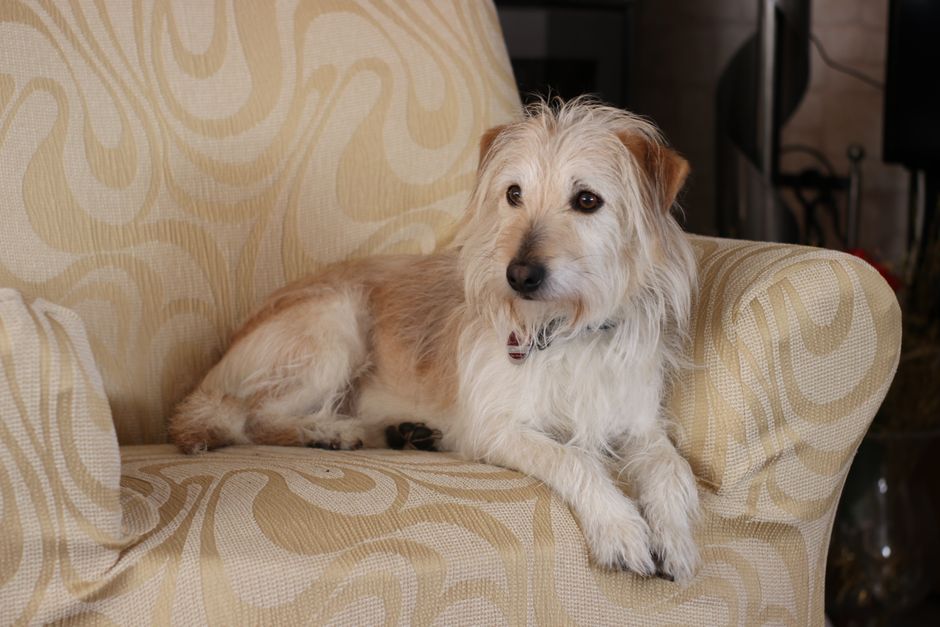
If you live near Wimbledon Common and share your home with a dog, you already know the truth: lovely as they are, dogs are brilliantly good at making furniture look tired. Fur works itself into seams, muddy paws leave little surprises, and that familiar wet-dog smell can settle into fabric before you've even finished making a cup of tea. Wimbledon Common upholstery cleaning for dog owners is about more than keeping things looking neat; it helps protect your furniture, improve everyday comfort, and make your home feel genuinely fresh again.
This guide walks through what professional upholstery cleaning involves, why it matters for dog owners, how the process works, and what to expect if you're deciding whether to book a clean. You'll also find practical tips, common mistakes to avoid, and a few honest realities from day-to-day life with dogs and soft furnishings. Let's face it, some mess is part of the package - but it doesn't have to stay there.
Why Wimbledon Common upholstery cleaning for dog owners matters
Dog ownership brings a lot of good things: company, routine, walks across the Common, and that slightly ridiculous level of happiness when they greet you at the door. It also brings furniture wear. Upholstery is one of the first places dog-related mess shows up because fabric naturally traps hair, dander, odours, and fine dirt from paws and coats. If a dog likes the sofa, the chair by the window, or the family armchair that nobody else may touch, those surfaces take a daily beating.
In Wimbledon Common homes, there's often a mix of active outdoor living and busy family life. Wet weather, muddy paths, and seasonal pollen all get carried indoors. A quick surface clean may make things look better for a day, but deeper contamination usually sits further down in the fibres. That is why proper upholstery cleaning matters: it goes beyond appearances and addresses what is embedded in the material.
There is also a comfort angle. Soft furnishings that smell stale or feel sticky to the touch can subtly change how a room feels. You may not notice it at first, but guests usually do. And if your dog has a favourite sofa spot, regular cleaning can make the whole space more pleasant for everyone, including the dog. Funny how that works.
Expert summary: If your home has a dog, upholstery cleaning is not just a cosmetic job. It is a practical maintenance task that helps control odour, remove trapped debris, and extend the life of your fabric furniture.
For homeowners who want a broader refresh, upholstery care often sits alongside deep cleaning or a wider house cleaning visit. If the dog has also tracked mud across floors, it can make sense to consider carpet cleaning at the same time so the whole room feels reset rather than half-done.
How Wimbledon Common upholstery cleaning for dog owners works
Professional upholstery cleaning normally starts with inspection. The cleaner looks at the fabric type, the level of soiling, visible marks, and any manufacturer care instructions if you have them. That first check matters more than people think. A cotton mix, a synthetic weave, velvet, and microfibre all react differently to moisture and cleaning products. Using the wrong method can flatten fibres or leave water rings. Not ideal.
After inspection, the cleaner usually pre-treats visible stains and heavily used zones, such as armrests, cushions, and the dog's favourite landing pad. Hair removal often comes next. This may sound basic, but pet hair can block cleaning solutions from reaching the fabric properly. Once the loose debris is removed, the upholstery can be cleaned using the most suitable technique for that material.
In many cases, hot water extraction or low-moisture cleaning is used, depending on the item and the fabric. Hot water extraction is commonly chosen for durable fabrics because it can lift embedded dirt and residue from deeper within the pile. Low-moisture methods are often better for more delicate items or where quicker drying is important. The right choice depends on the furniture, not a one-size-fits-all rule.
Finally, drying is managed carefully. Good airflow helps, and the furniture should not be used too early. That part matters. Sitting on damp fabric too soon can leave creases or transfer soil back into the fibres, which rather defeats the point.
If you are looking for a specialist approach to sofas and armchairs specifically, you may also find the dedicated upholstery cleaning service helpful. For households with a single heavily used statement piece, the sofa cleaning page is worth a look too.
Key benefits and practical advantages
There are obvious benefits to upholstery cleaning, but for dog owners the real value is usually in the practical details. A cleaner sofa means fewer lingering odours after a rainy walk. It means less visible fur stuck in seams. It means guests can sit down without immediately noticing the "dog corner" of the room. Small things, yes, but they add up.
Another benefit is fabric longevity. Dirt is abrasive. Every time someone sits down, those tiny particles work against the fibres, dulling the surface and wearing it down over time. Regular cleaning can help slow that process. You are not just freshening the room; you are helping furniture last longer, which is usually the better bargain in the long run.
Here are the main advantages in plain English:
- Odour control: helps reduce the build-up of pet smells in upholstery fibres.
- Hair and dander removal: improves hygiene and keeps the room feeling cleaner.
- Stain management: tackles muddy marks, saliva spots, and accidental mess more effectively.
- Fabric protection: reduces wear from trapped grit and repeated soiling.
- Better indoor comfort: makes sofas, chairs, and footstools nicer to use every day.
There is a visual benefit too. Once the pile lifts and the colour comes back, furniture often looks brighter than people expect. It can make the whole room feel lighter. That can be especially noticeable in the darker months, when everything seems to collect a thin film of grey by about 4pm.
Who this is for and when it makes sense
This kind of cleaning is not just for households with a large dog or a brand-new puppy. It is useful for all sorts of situations. In fact, some of the most in-need homes are those with one well-behaved dog who quietly uses the same chair every day. That one chair can become the archive of the entire year.
It makes sense if you are:
- dealing with visible dog hair that keeps returning no matter how often you vacuum
- noticing pet odours in the sofa or dining chairs
- seeing muddy marks after walks around Wimbledon Common
- preparing for visitors, a family event, or a property sale
- trying to keep furniture in good shape for longer
- moving home and wanting rooms to feel fresh before handover
It also makes sense if your dog sheds heavily, drools on armrests, or likes to sleep on the same cushion every evening. Some fabrics hide this better than others. Others, well, they do not. You can vacuum all you like, but once odours and body oils settle in, vacuuming alone will not solve it.
For people planning a broader reset, this can be combined with one-off cleaning or domestic cleaning so the upholstery clean fits into a wider home refresh rather than being treated as a one-off patch job.
Step-by-step guidance
If you want to understand what happens from start to finish, here is the process in a straightforward way.
- Inspect the furniture. Check the fabric type, stains, wear areas, and any care label. If there is a hidden label under a cushion, that is usually the one that matters.
- Test before cleaning. A small area is checked first to see how the fabric responds. This is especially important for delicate materials or older upholstery.
- Remove loose debris. Hair, dust, crumbs, and grit are taken off the surface so they do not get pushed deeper in during cleaning.
- Pre-treat problem spots. Stains, high-traffic armrests, and dog-contact areas are treated with suitable products.
- Clean the upholstery. A fabric-appropriate method is used to lift dirt, residue, and odours from the fibres.
- Rinse or neutralise if needed. This helps prevent product build-up and sticky residue.
- Extract moisture. Excess water is removed so the item dries more evenly and safely.
- Dry properly. Good airflow, spacing, and patience all help. The sofa will thank you later.
Before booking, it helps to think about access and room layout. If the piece is large, awkward, or tucked into a tight living room, moving side tables or dog beds out of the way saves time on the day. Small detail, big difference.
Expert tips for better results
There are a few habits that make upholstery cleaning work much better, especially in dog-friendly homes. These are the sorts of things people often skip, then regret later. Not dramatically, just in that mildly annoying "I should have done that" way.
- Vacuum regularly and thoroughly. Use a brush attachment and get into seams, under cushions, and along piping.
- Blot, don't scrub. If a fresh mark appears, blot it with a clean cloth. Scrubbing can spread the stain and rough up the fibres.
- Use washable throws in favourite dog spots. It sounds obvious, but it really reduces long-term buildup.
- Keep paws as dry and clean as possible. A quick wipe after a muddy walk can prevent a lot of stress later.
- Rotate cushions where possible. This spreads wear more evenly and avoids one permanent dog-shaped dip.
- Air the room well. Fresh air helps drying and reduces that closed-in smell soft furnishings can hold onto.
A useful rule of thumb: the sooner you deal with a mark, the better your outcome is likely to be. Waiting a week turns a simple job into a much more stubborn one. Truth be told, most upholstery problems are easier if you catch them early.
If your home has both delicate fabrics and a very enthusiastic dog, it can also be worth looking at the wider cleaning company approach rather than trying to cobble together DIY fixes. Sometimes experience saves you a lot of trial and error.
Common mistakes to avoid
Dog owners are usually doing their best, but a few cleaning mistakes crop up again and again. The main one is using too much water on fabric that was never designed for it. Wet upholstery can take ages to dry, and if moisture gets trapped inside the cushion, it may leave a musty smell. Worse, it can create a patchy finish on the surface.
Another common mistake is using the wrong product on the wrong stain. Greasy marks, urine, mud, and saliva each behave differently. A single spray-and-pray cleaner rarely handles all of them well. Some products can even set stains or leave residue that attracts more dirt. Bit frustrating, really.
Watch out for these too:
- cleaning without checking the fabric care label
- scrubbing hard at a fresh stain
- forgetting to remove pet hair before wet cleaning
- using harsh household chemicals on coloured fabric
- putting covers or throws back on before the furniture is properly dry
- assuming a quick vacuum will remove odour as well as dirt
If the furniture is valuable, vintage, or made of an unusual material, caution is wise. There is no medal for being brave with an antique chair. Sometimes the smartest move is to stop, inspect, and choose a gentler method.
Tools, resources and recommendations
You do not need a garage full of equipment to keep dog-friendly upholstery in decent shape, but having the right basics helps. A good vacuum with a brush tool is probably the most important everyday item. A lint roller is handy too, though it tends to feel like a temporary victory at best when you own a shedding breed. Still, every bit helps.
For routine care, keep these close:
- vacuum with upholstery attachment
- lint roller or reusable pet hair remover
- clean white microfibre cloths
- small absorbent towels for fresh spills
- fabric-safe cleaner suitable for the upholstery type
- fan or open window for drying support
When deciding whether to book a professional clean, useful signs include persistent odour, fading from repeated spot cleaning, and any stain you have already attacked three times with no success. That is usually the point where a professional method becomes the better option.
For homes with mixed floor and furniture issues, it can help to coordinate upholstery care with rug cleaning or carpet cleaner support, especially if the same dog uses the whole downstairs as a kind of unofficial route map.
Law, compliance, standards, or best practice
For upholstery cleaning in the home, the most relevant guidance is usually practical rather than legal. Good providers should follow sensible health and safety practices, use products appropriately, and apply care to avoid damage to fabrics, surfaces, and the home environment. In the UK, many households also expect cleaners to hold suitable insurance and work in line with clear service terms. That is sensible, really.
Best practice usually includes:
- checking fabric suitability before treatment
- using products and equipment correctly
- avoiding unnecessary moisture on delicate materials
- protecting nearby surfaces, flooring, and fittings
- explaining drying expectations clearly
- having appropriate insurance and safety procedures in place
If you want to understand how a provider approaches these areas, it can be worth reviewing pages such as insurance and safety and the health and safety policy. If you are comparing service terms, the terms and conditions page can also be useful. No one reads these pages for fun, fair enough, but they do matter when you want peace of mind.
If sustainability matters to you, it is also reasonable to ask how waste water, packaging, and cleaning materials are handled. A responsible provider should be able to speak plainly about this. For example, the recycling and sustainability page offers another useful point of reference.
Options, methods, or comparison table
Not every upholstery problem needs the same solution. Here is a simple comparison to help you judge what might suit your furniture and your dog-happy household.
| Method | Best for | Pros | Watch-outs |
|---|---|---|---|
| Vacuuming and spot cleaning | Light fur, surface dust, small fresh marks | Quick, cheap, good for routine upkeep | Won't remove deep odour or embedded soil |
| Low-moisture upholstery cleaning | Delicate or quicker-drying fabrics | Reduced drying time, gentler on some materials | May need more than one pass on heavy soiling |
| Hot water extraction | Durable fabrics with deep dirt or pet odour | Strong deep-cleaning effect, helps lift residue | Not suitable for every fabric and needs careful drying |
| Professional stain treatment only | Specific isolated stains | Targets one issue without over-cleaning the whole item | Won't refresh the entire piece if there is general soiling |
For many dog owners, the best choice is a mix: routine vacuuming at home, then periodic professional cleaning when the furniture starts to look or smell tired. A sofa can look fine and still need attention. That catches people out a lot.
Case study or real-world example
A typical Wimbledon Common scenario goes like this. A couple with one spaniel and a grey fabric sofa notices that the seating area has started to smell slightly damp after wet walks. The surface looks clean enough, but the armrests and the dog's usual cushion spot have darkened. They have tried a general upholstery spray twice. It improved the look for a day, then the smell came back.
After a proper inspection, the cleaner identifies a safe cleaning method for the fabric, pre-treats the problem areas, removes the embedded hair, and deep-cleans the sofa in sections. The couple also moves the dog bed away from the sofa for a couple of days and improves airflow in the room. By the next day, the furniture feels lighter, the odour is noticeably reduced, and the room no longer has that trapped-wet-fabric feeling. Small win, but a satisfying one.
What made the difference was not magic. It was choosing the right approach for the fabric and dealing with the actual source of the issue instead of just masking it.
Practical checklist
Use this checklist before and after your upholstery clean. It keeps things simple.
- Identify the fabric type and check the care label if available
- Vacuum thoroughly, including seams and under cushions
- Remove pet hair before any wet cleaning
- Note all visible stains and odour areas
- Move dog beds, toys, and side tables away from the furniture
- Ask about the likely drying time
- Keep pets off the cleaned item until it is fully dry
- Open windows or improve airflow where safe to do so
- Use throws or covers in favourite dog spots after cleaning
- Schedule routine upkeep rather than waiting for the sofa to look rough again
If you are booking a broader refresh, it may be helpful to combine the visit with window cleaning or other home care services so the room feels properly finished. A clean sofa under dusty windows is a bit like polishing one shoe and leaving the other muddy.
Get a free quote today and see how much you can save.
Conclusion
Wimbledon Common upholstery cleaning for dog owners is one of those jobs that makes a bigger difference than you expect. It freshens the room, helps control odours, protects fabric, and takes the edge off daily pet wear. If you live with a dog, your furniture is doing more work than it probably should, and regular care is the sensible way to keep it looking and feeling good.
The best results usually come from matching the cleaning method to the fabric, staying ahead of stains, and being realistic about what home cleaning can and cannot do. Sometimes a quick vacuum is enough. Sometimes it really is time for a proper deep clean. And honestly, once you've sat on a sofa that feels properly fresh again, it's hard to go back.
There's something quietly satisfying about a home that smells clean, looks cared for, and still feels dog-friendly. That balance is absolutely possible.
Frequently Asked Questions
How often should dog owners have upholstery professionally cleaned?
It depends on how much your dog uses the furniture, how much they shed, and whether you have visible stains or odours. Many homeowners find that periodic professional cleaning helps keep things under control before the fabric starts to feel tired.
Can upholstery cleaning remove dog smell completely?
It can reduce or remove a great deal of pet odour, but the result depends on the fabric, the age of the smell, and how deeply it has soaked in. Older odours may need more than one treatment or additional care at home afterwards.
Will the cleaning damage delicate fabric?
A proper cleaner should inspect the fabric first and choose a suitable method. Delicate materials need gentler treatment, and sometimes low-moisture cleaning is the safer option. If a fabric is very fragile, the cleaner should say so plainly.
Is it safe for dogs to be around the furniture after cleaning?
Usually yes, once the upholstery is fully dry and any product residue is gone. It is sensible to keep pets off the furniture until it is ready, partly for hygiene and partly so they do not sit on damp fabric.
What's the best way to remove dog hair from upholstery?
A vacuum with an upholstery attachment works well for regular maintenance. For stubborn hair, a lint roller or reusable pet hair remover can help. Hair tends to cling most to textured fabric and seams, so take your time there.
Can I clean dog stains myself before booking a professional?
Yes, but keep it gentle. Blot fresh spills with a clean cloth and avoid scrubbing. If you use the wrong product or too much water, you can make the stain harder to remove later. When in doubt, leave the area alone and mention it to the cleaner.
How long does upholstery take to dry?
Drying time varies by fabric, cleaning method, room temperature, and airflow. Some items dry fairly quickly, while thicker cushions can take much longer. Good ventilation helps, but it is best not to rush the process.
Is upholstery cleaning worth it if I also have carpets cleaned?
Often yes. If the dog uses sofas, rugs, and carpets, cleaning only one part of the room can leave the whole space feeling unfinished. Upholstery and floor cleaning usually work well together, especially in busy family homes.
What should I ask before booking a cleaner?
Ask about fabric suitability, the cleaning method, drying times, insurance, and whether any stains may need special treatment. Clear answers usually tell you a lot about how carefully the job will be handled.
Do I need to move furniture before the clean?
Usually you only need to clear the immediate area, remove small items, and move dog beds or toys out of the way. If the item is large or awkward, it is worth checking in advance what access is needed.
Can regular upholstery cleaning help furniture last longer?
Yes. Removing trapped grit, oils, and daily dirt helps reduce wear on the fibres, which can improve the lifespan of sofas and chairs. It is a simple bit of maintenance that pays off over time.
What if my dog keeps jumping on the sofa straight after cleaning?
That does happen. Dogs are nothing if not consistent. To protect the clean finish, keep them off until the fabric is dry, then use a washable throw or blanket in their favourite spot to slow the next round of wear.